
Seeing an old dog shake while sleeping can be alarming, especially when it happens repeatedly or seems to be getting worse.
While some sleep-related movement is normal, shaking in senior dogs can also signal discomfort, neurological changes, or underlying illness that deserves attention.
Table of Contents
Old Dog Shaking While Sleeping: Why It Happens
Shaking while sleeping in old dogs usually occurs when the nervous system, muscles, or internal organs are under stress, even during rest.
Aging changes how the brain controls muscle activity and how the body responds to pain, temperature, and illness.
While occasional twitching can be harmless, frequent or intense shaking during sleep often reflects discomfort or a medical issue that becomes more noticeable when the body relaxes.
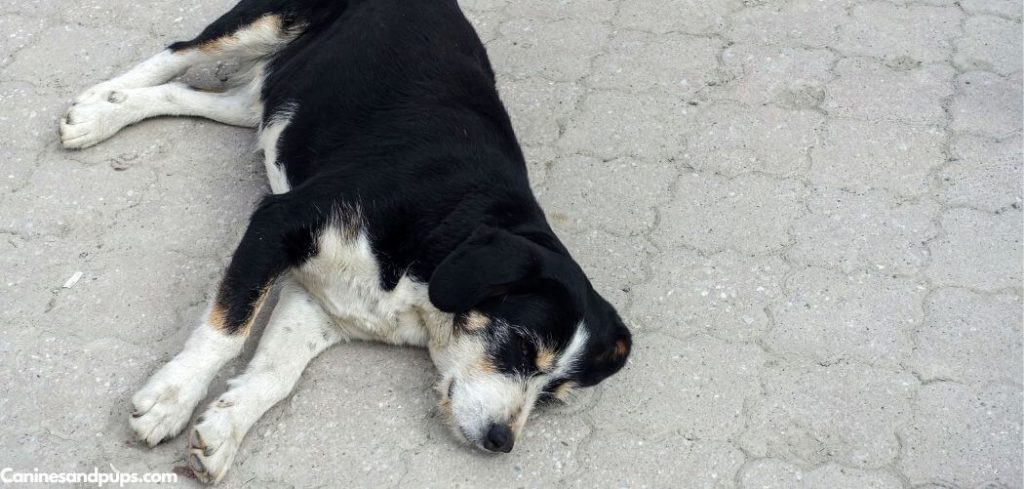
Old Dog Shaking While Sleeping: Symptoms
Signs of shaking during sleep in older dogs include:
Mild twitching or shaking during sleep
Repeated or prolonged shaking episodes at rest
Whimpering or vocalizing while asleep
Sudden waking or disturbed sleep patterns
Stiffness or disorientation upon waking
Shaking that also occurs when awake (in more concerning cases)
Old Dog Shaking While Sleeping: Common Causes
Normal Dreaming and REM Sleep
Not all sleep-related shaking is abnormal. During REM sleep, dogs may twitch, paddle their legs, or briefly shake as their brain processes dreams. In senior dogs, these movements can appear more exaggerated because muscle control and nerve signaling are less precise with age.
If shaking stops when your dog wakes and your dog seems comfortable otherwise, dreaming may be the cause.
Read more: Old Dog Shivering (What it really means)
Pain
Pain often becomes more noticeable when the body is still. Arthritis, spinal disease, or joint degeneration can cause involuntary muscle shaking during sleep as the body reacts to discomfort. Older dogs may tense or tremble when lying in certain positions for too long.
This cause is often accompanied by stiffness, reluctance to move, or difficulty standing after rest.
Feeling Cold During Sleep
Older dogs lose body heat more easily. Reduced muscle mass, thinner coats, and slower circulation make senior dogs sensitive to cooler nighttime temperatures.
Shaking may occur only during sleep when movement stops and body temperature drops.
Cold-related shaking often improves with extra bedding, blankets, or a warmer sleeping area.
Anxiety
Mental changes can affect sleep quality. Senior dogs with anxiety or cognitive dysfunction may experience restless sleep, confusion, and involuntary shaking. These dogs may seem unsettled, wake frequently, or pace before settling again.
Shaking related to cognitive changes often occurs alongside nighttime restlessness, disorientation, or increased vocalization.
Neurological Disorders
Neurological conditions are a significant concern in older dogs. Degenerative nerve disease, spinal compression, or brain changes can cause involuntary muscle activity during sleep.
When the body relaxes, abnormal nerve signals may become more noticeable, leading to shaking or tremors.
Neurological shaking may worsen over time and occur both during sleep and while awake.
Read more: Old Dog Restless at Night (Why sleep changes happen)
Kidney Disease
Internal imbalances can disrupt muscle control. Kidney disease, liver dysfunction, or electrolyte imbalances can affect how nerves and muscles function, even during rest.
As toxins accumulate or minerals shift, the body may respond with tremors or shaking during sleep.
This cause is often accompanied by appetite loss, increased thirst, weight loss, or lethargy.
Low Blood Sugar During Long Rest Periods
Blood sugar can drop during prolonged sleep. In some senior dogs, especially those with underlying metabolic conditions, blood sugar levels may dip during extended rest.
This can trigger shaking or trembling until the dog wakes or eats. Episodes may happen more often overnight or early in the morning.
Medication Side Effects
Some medications affect sleep-related muscle activity. Pain medications, steroids, seizure drugs, or medications for heart and neurological conditions can cause tremors that appear more noticeable during sleep.
If shaking began after starting or changing medication, this possibility should be discussed with your veterinarian.
Old Dog Shaking While Sleeping: What to Do
Start by making your dog’s sleeping area as comfortable and warm as possible.
Provide soft bedding, supportive orthopedic beds, and blankets to reduce joint pressure and prevent cold-related shaking.
Observe patterns closely. Take note of when the shaking occurs, how long it lasts, and whether your dog wakes up afterward or seems distressed.
Gently wake your dog during an episode to see if the shaking stops. Shaking that stops immediately upon waking is more likely related to dreaming, while shaking that continues may indicate discomfort or illness.
Avoid giving any medications or supplements without veterinary guidance, even if the shaking seems mild.
When to Call or Visit Your Vet
Contact your veterinarian if shaking while sleeping becomes frequent, intense, or progressively worse.
Seek veterinary care if shaking is paired with pain, difficulty walking, confusion, appetite loss, vomiting, or changes in urination or thirst.
Immediate evaluation is needed if shaking appears seizure-like, does not stop when your dog wakes, or is accompanied by collapse or breathing difficulty.
Old Dog Shaking While Sleeping: Treatment
Treatment depends on the cause of the shaking. If it’s related to normal dreaming, no treatment is needed. However, if underlying issues such as pain, neurological conditions, or metabolic imbalances are suspected, your vet will perform appropriate tests.
Treatment may include pain management, medications to control neurological activity, or addressing conditions like arthritis or organ dysfunction. In some cases, supplements to support nerve health may be recommended.
Monitoring frequency and severity, along with regular veterinary check-ups, helps ensure any serious issues are identified early and managed effectively.
Key Takeaway
Occasional twitching during sleep can be normal, but repeated or intense shaking while sleeping in old dogs often signals discomfort, pain, or an underlying health issue. Aging makes senior dogs more vulnerable to conditions that show up most clearly during rest.
By watching for patterns, keeping your dog comfortable, and involving your veterinarian when symptoms persist, you can help ensure your senior dog stays as comfortable and healthy as possible.


